
How the Pandemic Changed Drug Use Patterns
🎧 Listen to:
How the Pandemic Changed Drug Use Patterns
Analyzing How the Pandemic Changed Drug Use Patterns is essential for understanding the unique challenges of recovery in 2026.
When we look back at the last few years, it’s pretty obvious that the global pandemic did a lot more than just change how we work or hang out—it fundamentally shifted how people cope. At Deluxe Treatment Center on Cantara St in Reseda, we’ve spent a lot of time looking at how these changes are still playing out in 2026. What might have started as “isolation drinking” or just a way to kill time during a lockdown has, for so many, turned into a heavy, chronic dependency that feels impossible to shake off on your own.
The Storm of Isolation and Coping
The pandemic really was the perfect storm for addiction. First, you have the isolation. We aren’t meant to live in bubbles, and when you cut off that physical connection to friends, family, and support groups, the brain starts looking for a chemical way to fill that gap. We saw a massive jump in alcohol use and a surge in anti-anxiety meds. What’s really worrying now, in 2026, is that a lot of people who picked up these habits never actually “went back” to their old ways once things opened up. For them, the substance use just became the new normal.
The Shift to a Digital Marketplace
On top of that, the pandemic pushed the drug market almost entirely into the digital space. When borders closed and traditional ways of getting drugs were messed up, everything moved online. This is where we see the scariest trend: how normal it’s become to order high-potency synthetics through social media or encrypted apps. According to recent 2026 data from the California Health Care Foundation, this digital shift has contributed to a record high in overdose rates across the state, creating a group of people who are finding themselves struggling with addiction for the very first time in their lives.
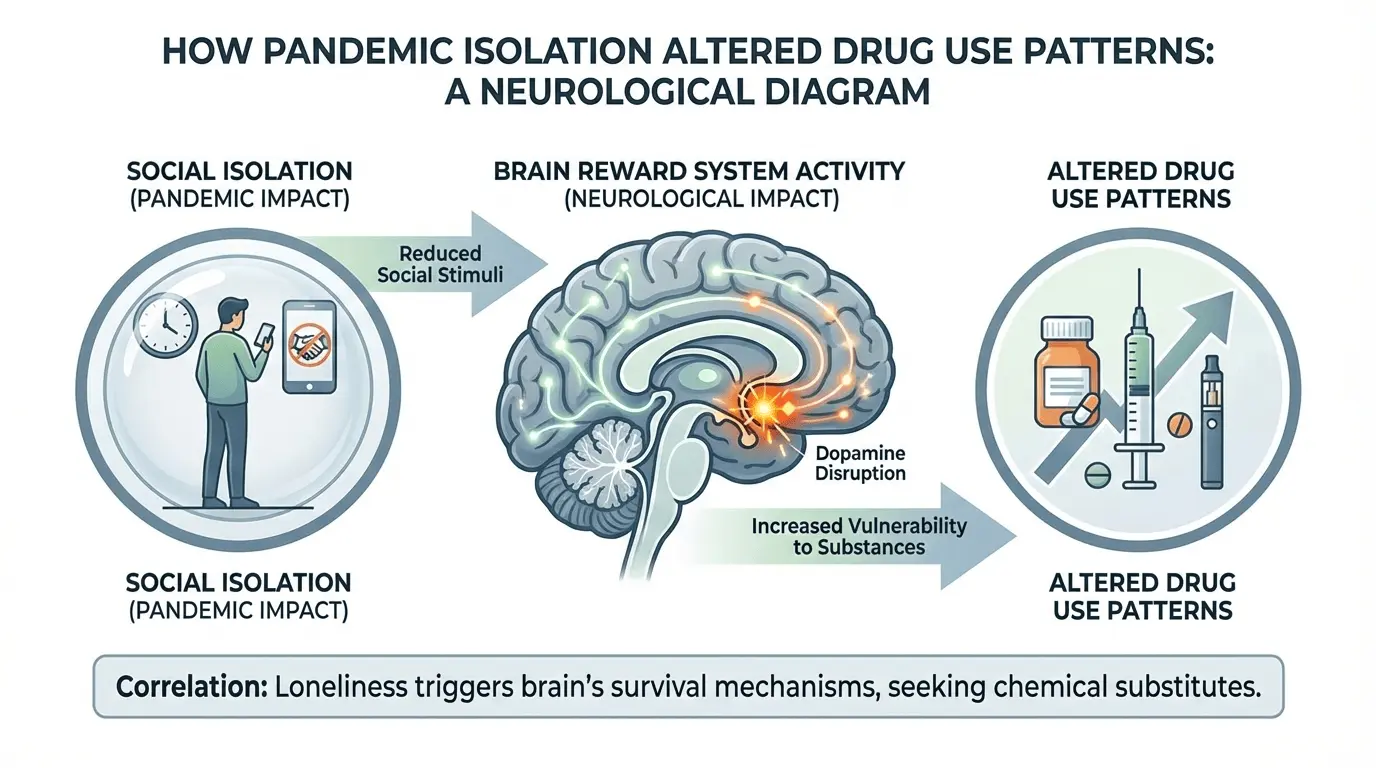
Recovery in the Post-Pandemic Landscape:
- Neurological Recovery: Specialized care to address a nervous system stuck in “survival mode.”
- Environmental Change: Stepping away from the home settings where isolation habits were formed.
- Community Reconnection: Breaking the cycle of digital isolation through face-to-face clinical support.
The Importance of a “Controlled Reset” in Reseda
At our inpatient facility in Reseda, we’ve realized you simply can’t treat a 2026 addiction using 2019 rules. This “Pandemic Effect” means people aren’t just fighting a substance; they’re dealing with the lingering effects of long-term social withdrawal. In a residential setting, we provide the safety and the community people need to finally drop that guard. By getting away from the environment where these habits were born, you give your brain the space it needs to remember what life felt like before everything changed.
Contact Deluxe Treatment Center Today